




Linework and Fineline – the difference is in the line
The main difference between Linework and Fineline lies in the chosen line thickness and how the tattoo is designed for durability. Linework uses deliberately placed, stable lines. These give the motif structure and ensure that shapes remain clear over time.
For studio work and practical decisions on design size, see Fine Line.
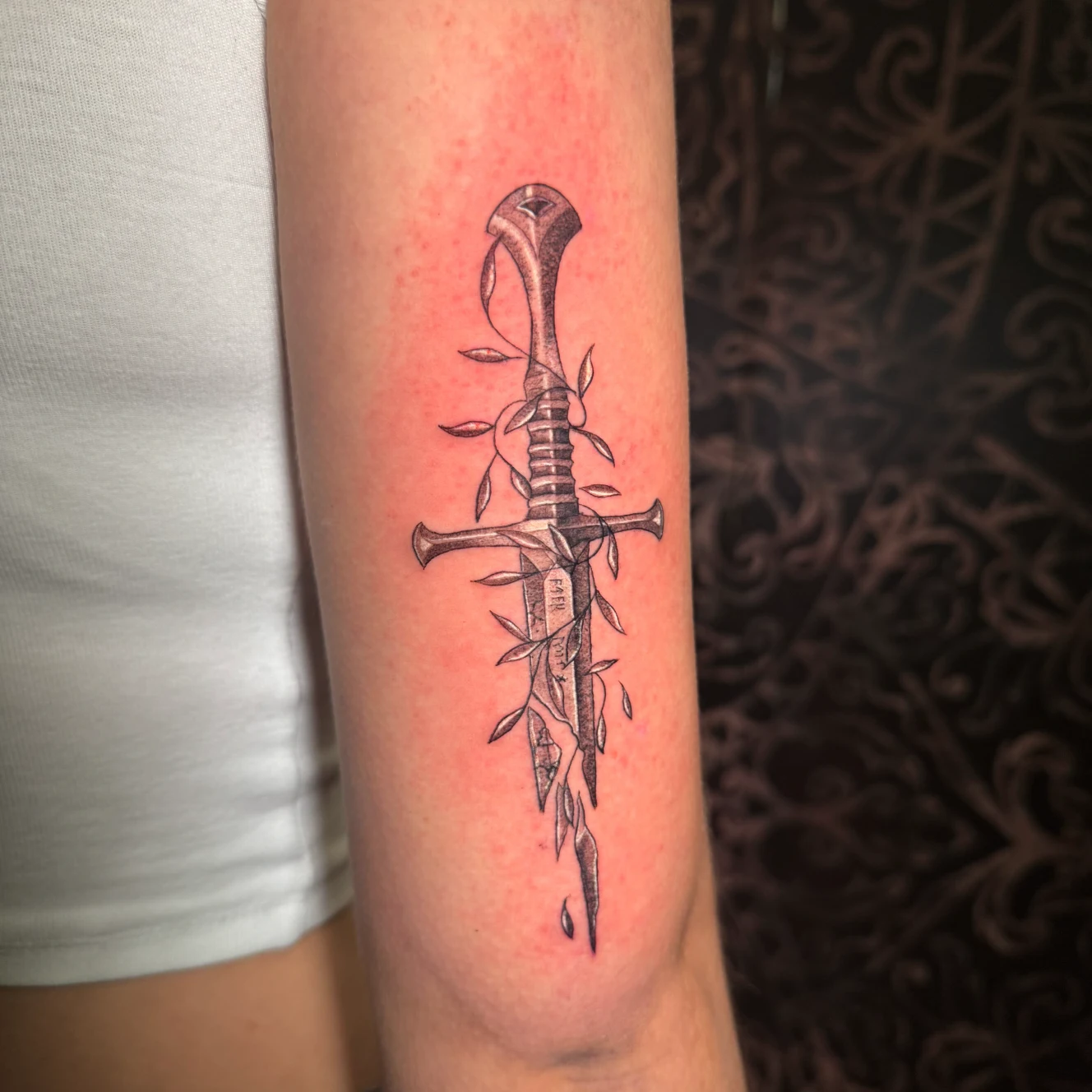
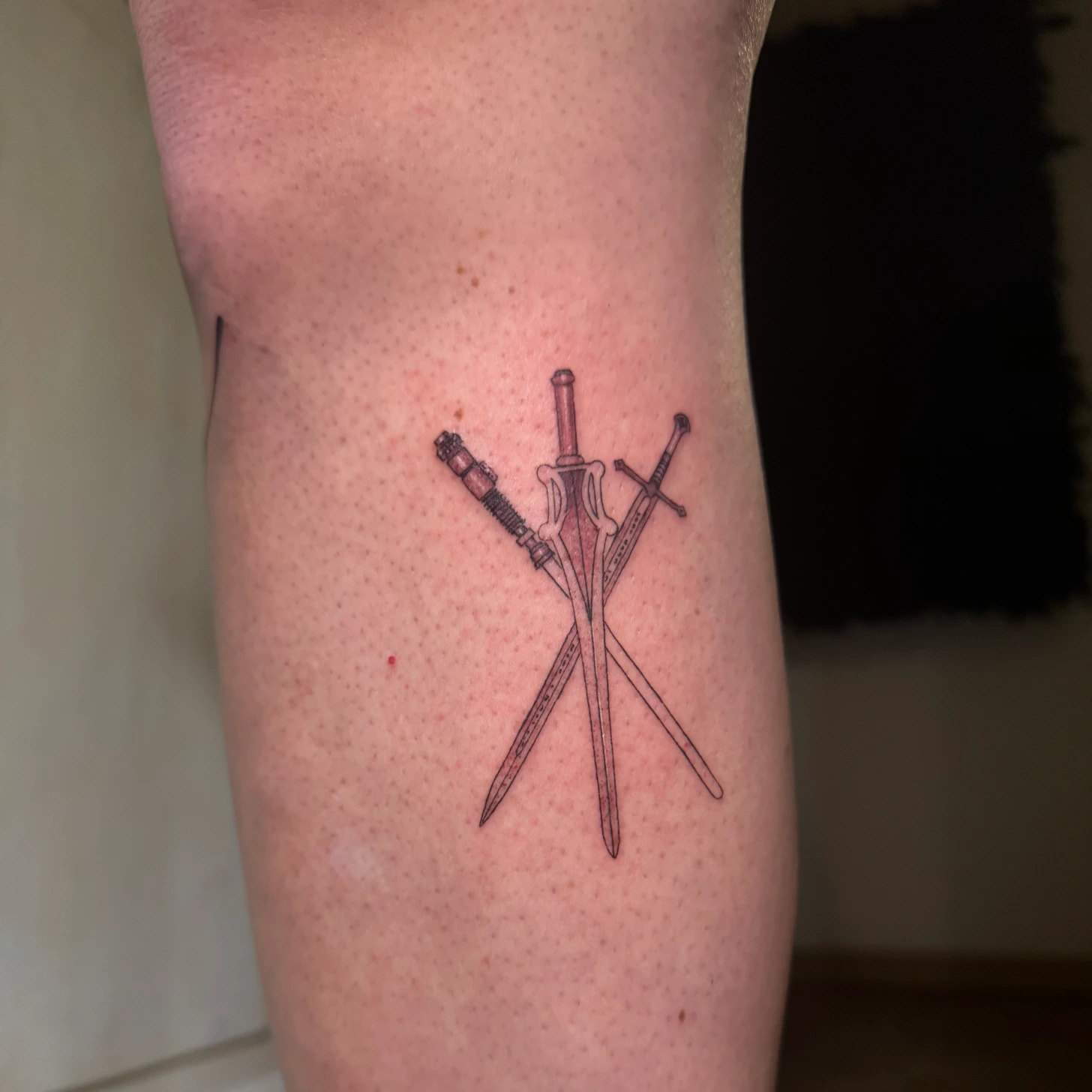
Fineline reduces the line thickness to a minimum. The effect is lighter, more subtle, and often very precise. This aesthetic only works if the design is planned accordingly. The finer the line, the more important spacing, placement, and size become.
Durability of fine lines – what’s realistic
Fine lines are closer to the surface of the skin than bold Linework. As a result, they react more sensitively to natural changes in the skin. Over time, lines may appear slightly thicker or lose some sharpness. This is not a quality issue, but a natural process that must be factored into the planning.
Fineline tattoos hold up well if they are not designed too small and if the motif does not rely on extreme details. Very small tattoos with high detail density can be problematic. In such cases, Linework is often the more sustainable option, even if it appears visually stronger at first.
Skin type and body placement as crucial factors
Not all skin is equally suitable for fine lines. Skin thickness, elasticity, and stress influence how a tattoo ages. Calm body areas with even movement provide better conditions than highly stressed zones.
For Linework and Fineline, the forearm, upper arm, and shoulder have proven effective. These areas offer enough space and allow for controlled line work. Heavily stressed areas like fingers or feet are only partially suitable for very fine lines and require a particularly restrained design.
Motif selection – what works long-term
A good Linework or Fineline tattoo thrives on clarity. Motifs with a calm structure and enough space between lines age much more stably than highly detailed illustrations. Especially effective are:
Suitable body areas include:
- geometric shapes and patterns
- minimalist symbols
- clear lettering without extreme finesse
Problematic are motifs whose impact relies solely on fine details. The denser and smaller a design is planned, the greater the risk of it losing legibility over time.
Planning and execution at Tattooine Sayagata in Munich
With Linework and Fineline tattoos, the work begins not with the needle but with the planning. Size, line spacing, and placement are chosen to suit the skin and anatomy. Designs are not simply scaled up or down but are specifically adapted.
During tattooing, control is key. Even pressure, clean line work, and consistent depth are the foundation for a calm and lasting result. Especially with minimalist tattoos, precise craftsmanship determines the quality.
Conclusion
Linework and Fineline tattoos only appear timeless when they are technically well thought out. Fine lines require realistic planning, suitable body areas, and a design that works even without details. Those who consider these aspects will get a tattoo that ages gracefully and retains its impact over time.
