




Origin of the Sayagata Pattern
Historical Background
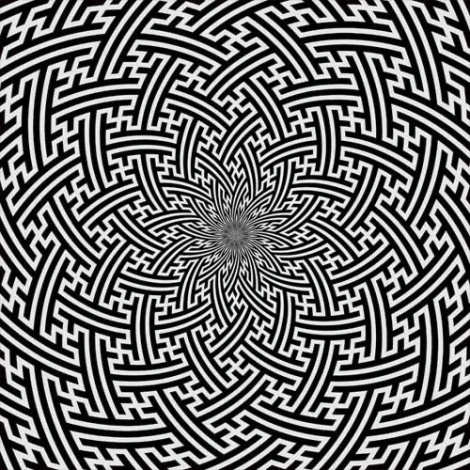
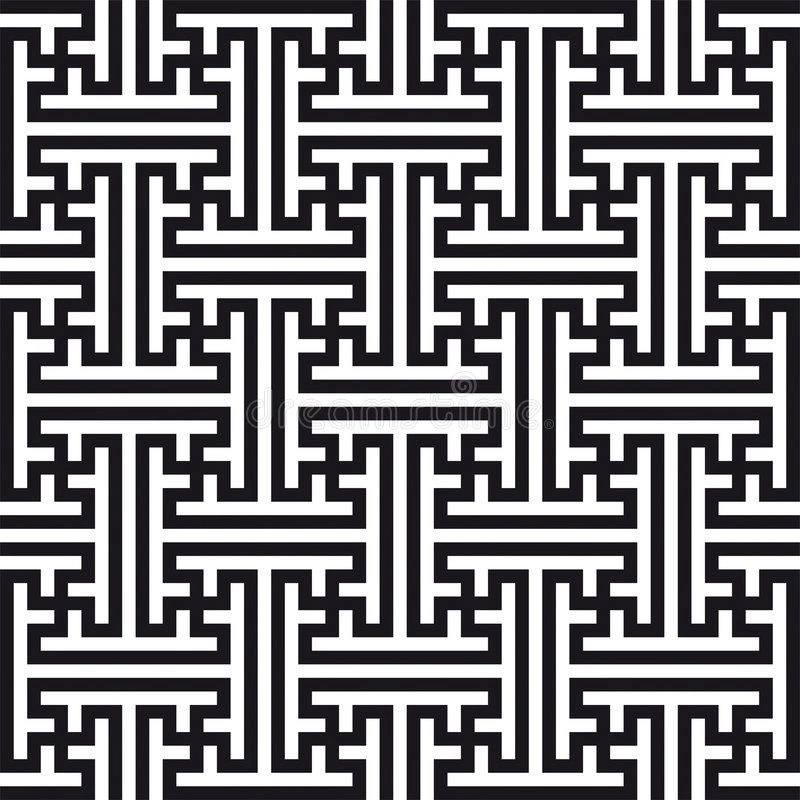
The Sayagata pattern originates from Japanese ornamentation and is based on a continuous, interwoven form of the Manji symbol. Unlike isolated symbols, Sayagata was traditionally used as a surface pattern - for example in textiles or architectural elements.
For combining Sayagata with other patterns on the body, explore Geometric, Mandala & Dotwork.
Its defining feature is the endless repetition of a clearly defined base module. This very characteristic makes Sayagata still relevant today: the pattern works not as a single sign, but as a cohesive structure.
Meaning Beyond Symbolism
In its cultural origin, Sayagata represents order, continuity, and balance. In the tattoo context, however, this symbolic level takes a back seat. What matters is the graphic logic of the pattern - not a literal meaning.
Why Sayagata Works as a Tattoo
Structure Over Motif
A Sayagata tattoo doesn't tell a story or depict a classic motif. It lives through:
- clear linework
- consistent repetition
- calm, graphic appearance
That is exactly why the style feels timeless and independent of short-term trends.
Flexibility in Design
The pattern can be precisely adapted:
- as a narrow strip or larger area
- strictly geometric or slightly loosened
- with intentional use of negative space
Implementation at Tattooine Sayagata
Planning Is Key
With Sayagata tattoos, the work begins long before the first needle hits. Each design is individually planned:
- adaptation to body shape
- definition of module size and line spacing
- coordination of start and end points
A rigid grid doesn’t work on the body. The pattern has to adapt to the anatomy - not the other way around.
Linework and Technique
Sayagata tattoos allow no inaccuracies. That’s why the focus is on:
- consistent line weight
- precise angles
- clean transitions
Even the slightest deviations would repeat across the pattern. Precision here is not a matter of style, but a basic requirement.
Body Placement
Suitable Areas
Sayagata tattoos are especially suited for body areas with clear structural lines:
- forearm
- upper arm
- shoulder
- calf
- back areas with sufficient space
Very small or highly mobile areas are less suitable for this style.
Adapting to Movement
A common planning mistake is applying a straight pattern to a mobile body part. At Tattooine Sayagata in Bogenhausen, the pattern is adapted to remain calm and harmonious even in motion.
Distinction from Other Geometric Styles
Sayagata vs. Mandala
- Mandalas are radial and centered
- Sayagata is linear and continuous
- no center, no focal point
Sayagata vs. Tribal
- Tribal is organic and free
- Sayagata is rule-based and structured
- no symbolic storytelling, but graphic order
This distinction is important for setting realistic expectations for the final result.
Who a Sayagata Tattoo Is Suitable For
A Sayagata tattoo is especially suitable for people who:
- prefer clear, minimalistic designs
- value craftsmanship and precision
- want a long-lasting, calm tattoo
- intentionally avoid illustrative motifs
The style is less suitable for very small tattoos or highly mixed visual themes.
Conclusion
The Sayagata tattoo is not decorative filler, but a demanding geometric style. Its impact comes from structure, repetition, and clean execution. At Tattooine Sayagata in Munich, this approach is followed consistently - calm, precise, and individually adapted to the body.
