


Why tattoo pain is not the same everywhere
When tattooing, pigment is placed into the skin with a needle. Technically, that sounds simple, but the feeling can vary a lot depending on the body area. Some areas feel more scratchy or burning, while others feel dull, vibrating or sharp.
Body areas are usually more sensitive when the skin is thin, there is very little padding, or bones, tendons and nerves are closer to the surface. Areas that move a lot can also feel more intense because the skin is under more tension or harder to keep still.
These factors can also influence pain
- Size and duration of the tattoo
- Lines, shading or densely filled areas
- Skin thickness and skin tension in the chosen area
- Sleep, stress, hunger and your general condition on the day
- Previous tattoo experience and personal pain sensitivity
This is why the same body area can feel completely different from one person to another. A tattoo pain scale is always only a rough guide - not a fixed rule.
Especially sensitive tattoo areas
Ribs and side of the upper body
The ribs are one of the areas many people experience as especially intense. The skin sits close to the bone, the area moves while breathing and longer lines can quickly become exhausting. Fine designs can look very elegant on the ribs, but they should be planned carefully - especially for a first tattoo.
Sternum and chest area
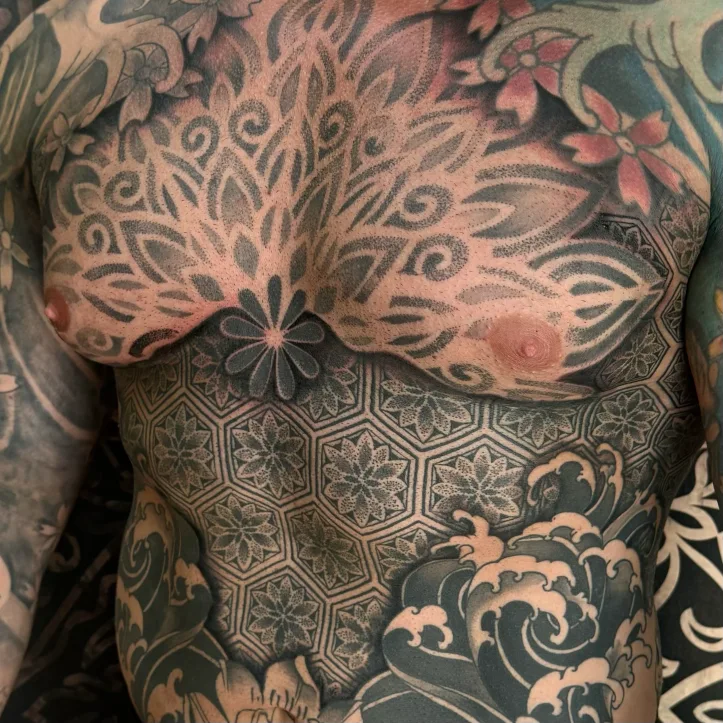
The sternum can be very sensitive because the vibration of the needle is felt directly over the bone. The surrounding chest area can also react strongly depending on anatomy. Designs in this area need calm positioning and a clear plan for breaks.
Spine and middle of the back
The back is often described as generally easy to handle. That is not true for every part of it. Tattooing along the spine in particular can feel much more intense than tattooing the outer areas of the back. The vibration is often felt more strongly here.
Elbows, knees and joint areas
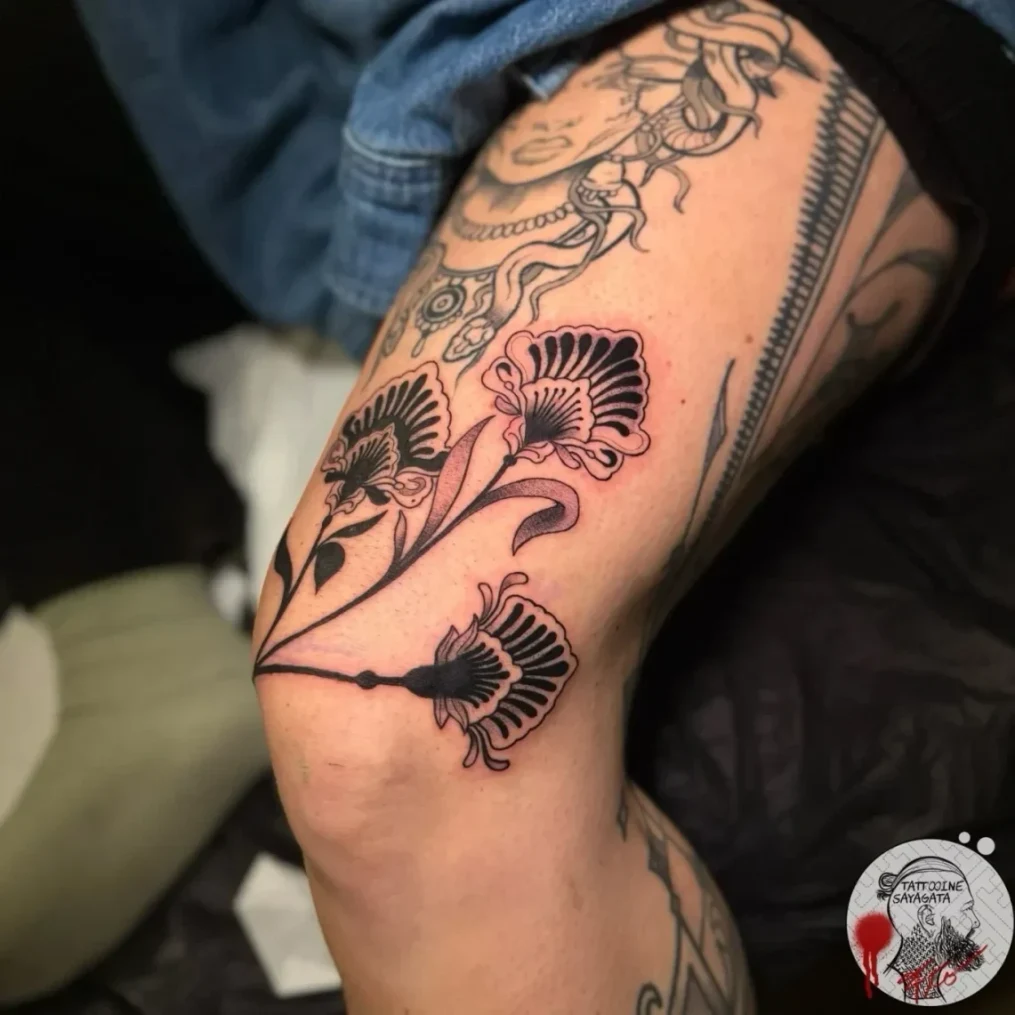
Elbows, the back of the knee, knees and other joint areas are among the more uncomfortable tattoo placements. The skin is flexible, sometimes thin and harder to stretch evenly. Swelling and the feeling afterwards can also be more noticeable because these areas are constantly moving in everyday life.
Foot, ankle and shin
Feet and ankles are often sensitive because there is little padding. The shin can also be uncomfortable, especially with lines placed directly over the bone. These areas are not impossible, but they require realistic expectations.
Hands, fingers, neck and head area
Hands, fingers, neck, nape and head area are very sensitive placements. There is another important point: tattoos on hands and fingers often age differently from tattoos on calmer body areas. They are not only more painful, but also more demanding in terms of durability and planning.
Medium pain areas: manageable, but not painless
Many classic tattoo placements are in the medium pain range. Most people can handle them well, although longer sessions can still become tiring.
Forearm
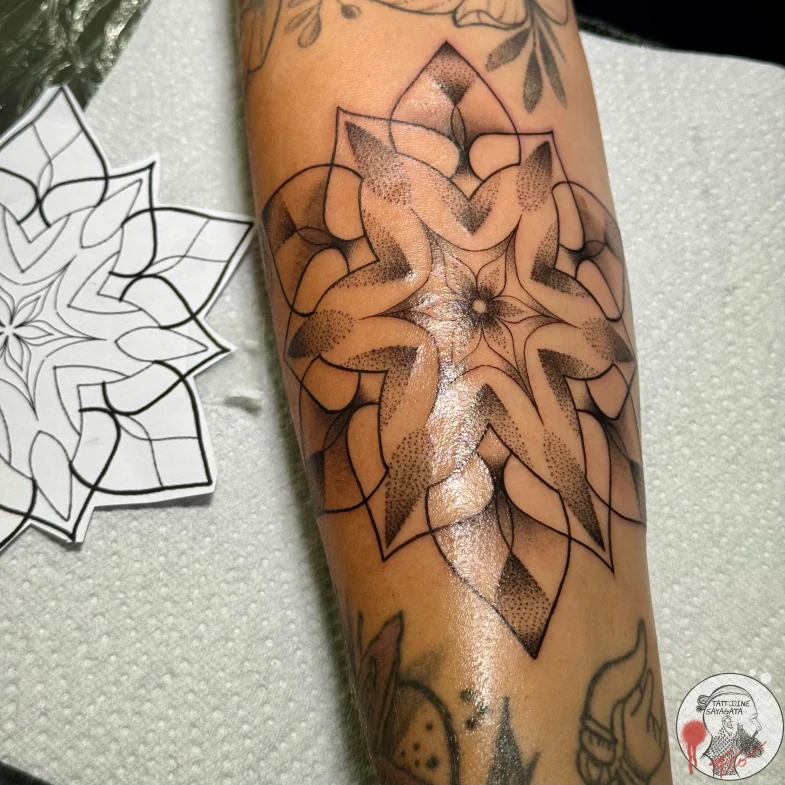
The forearm is a popular area for a first tattoo. The outer forearm is often perceived as easier than the inner forearm. The inside can react more sensitively because the skin is softer and more nerves run through the area.
Upper arm and shoulder
The upper arm and shoulder are among the most common tattoo placements because they offer enough space and are often easier to sit through. The outer upper arm in particular works well for many designs - from linework to larger ornamental pieces.
Calf and thigh
The calf and thigh offer plenty of space and are usually easy to plan. More sensitive areas include the inner thigh, the area towards the back of the knee and placements close to the shin. Again, the exact placement matters more than the general body region.
Which areas make sense for a first tattoo
If you have no tattoo experience yet, you do not need to choose one of the most painful areas just because it looks appealing. For a first tattoo, areas are often better suited when they are easy to position, offer enough space and allow you to lie or sit steadily during the session.
Often suitable for a first tattoo
- Outer upper arm
- Outer forearm
- Shoulder area
- Outer thigh
- Calf, depending on the design and exact placement
These areas are not a guarantee for a painless tattoo. However, they often provide better conditions for a calm first experience than ribs, hands, sternum or joint areas.

Technique and design: why placement is not the only factor
Lines feel different from shading
Clean lines are often perceived as sharper and more direct. Shading can feel broader, scratchier or more burning. There is no general answer to which technique feels easier. What matters is how long one area is worked on and how dense the design is.
Small tattoos are not automatically easier
A small tattoo may take less time, but it can still feel intense in a sensitive area. A delicate design on the ribs can be more uncomfortable than a larger design on the outer upper arm. Size, placement and technical execution always need to be considered together.
Densely filled areas require more endurance
The more surface area is filled, the longer the skin is worked on. Over time, this can become more demanding than single lines. Especially with blackwork, strong contrasts or large designs, the session should be planned realistically.
How to prepare sensibly for tattoo pain
Pain cannot be avoided completely. But you can do a lot to make the session more stable and comfortable.
- Come to the appointment well rested
- Eat and drink enough beforehand
- Do not drink alcohol before the appointment
- Wear comfortable clothing that gives easy access to the area
- Plan enough time and do not arrive under pressure
- Discuss the placement during the consultation if you are unsure
Numbing creams should not be used on your own without discussing it with the studio first. Some products can change the skin and make the tattoo process more difficult. If this topic is relevant for you, it should be addressed openly before the appointment.
Planning at Tattooine Sayagata in Munich
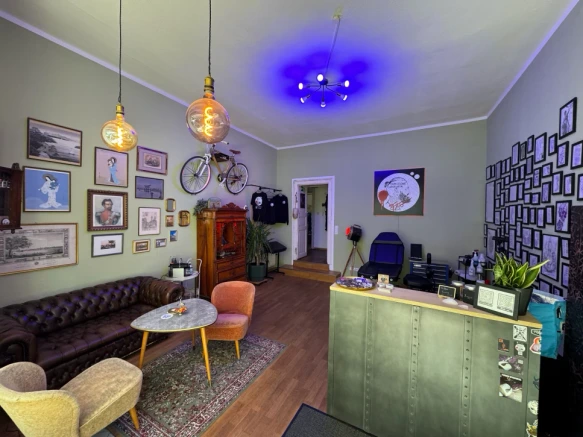
At Tattooine Sayagata, placement is not decided by appearance alone. A tattoo needs to suit the body shape, the size of the design and the chosen area of skin. Especially with sensitive placements, an honest assessment matters: What makes sense technically? What size will work? Which area fits the person’s level of experience?
Good consultation takes tattoo pain seriously without making it dramatic. The goal is not to create fear before the appointment, but to make a realistic decision. When you know what to expect, you can sit more calmly, plan better and approach your tattoo with more confidence.
Conclusion
Tattoo pain is individual, but it is not random. The most sensitive areas are usually the ribs, sternum, spine, joints, hands, fingers, feet and very bony areas. Easier-to-plan placements such as the outer upper arm, forearm, shoulder, calf or thigh are more comfortable for many people - especially for a first tattoo.
In the end, the pain scale is not the only thing that matters. The right combination of design, body area, technique and realistic planning is what makes the difference. A personal consultation at Tattooine Sayagata in Munich can help you make that decision.
